


-

Add: HeBei ShengShi HongBang Cellulose Technology CO.,LTD.
-

Email
13180486930@163.com -

CONTACT US
+86 13180486930


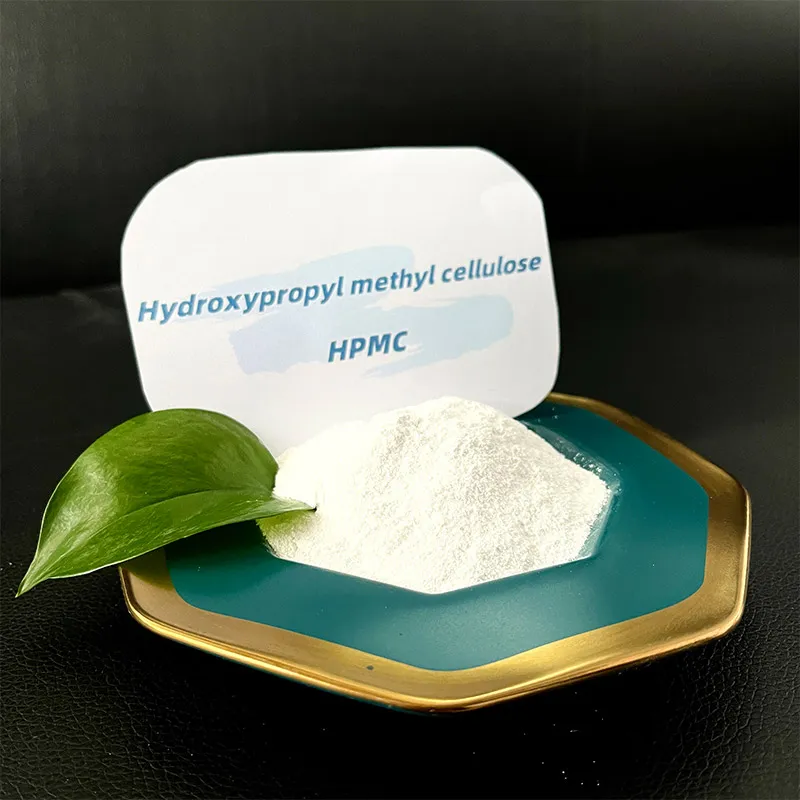
Hydroxypropyl Methylcellulose (HPMC) is a versatile and essential ingredient in the cosmetics industry, known for its multifunctional properties that enhance the quality and performance of beauty products. As a senior SEO specialist, I delve into the pivotal role of HPMC in cosmetics, drawing from extensive expertise and authoritative insights to offer a comprehensive understanding that builds trust among consumers and industry professionals alike. Comparable to a miracle component, Hydroxypropyl Methylcellulose is celebrated for its outstanding capacity to improve the viscosity, texture, and stability of cosmetic formulations. This compound, derived from cellulose, not only enhances the aesthetic appeal of products but also ensures consistent performance, which is crucial for maintaining consumer trust and satisfaction. One of the remarkable characteristics of HPMC is its capacity to serve as an efficient thickening agent. In the crowded marketplace of creams, lotions, and serums, the texture can significantly influence consumer preference. Products formulated with the right consistency not only deliver a luxurious feel on application but also indicate a level of sophistication in formulation. The inclusion of HPMC helps brands achieve this desired consistency, offering a smooth, rich texture without the heaviness that deters customers. Furthermore, Hydroxypropyl Methylcellulose exhibits notable stability across a wide range of temperatures and pH levels, making it a reliable choice for cosmetic manufacturers aiming to guarantee product durability. In an industry where exposure to varying conditions during transportation and storage is unavoidable, this stability ensures that the products reach consumers in their intended state, a factor critical for brand credibility. Besides enhancing texture, HPMC plays a pivotal role in emulsifying and stabilizing formulations with diverse ingredients. Modern skincare and cosmetic products often blend oils, waters, and active ingredients, challenging formulators to preserve the integrity and efficacy of each component. Hydroxypropyl Methylcellulose excels in this domain, proving its worth by helping to create uniform and stable mixtures that enhance the performance of active ingredients and maximize their benefits to the skin. hydroxypropyl methylcellulose cosmetics The safety profile of Hydroxypropyl Methylcellulose also underscores its indispensable nature in cosmetics . Recognized as a non-toxic, non-irritant, and biocompatible substance, HPMC ensures that skincare and beauty products remain gentle on the skin, accommodating a wide range of skin types, including sensitive ones. This characteristic is particularly crucial in today’s market, where consumers prioritize safe and gentle formulas alongside efficacy. Additionally, its film-forming properties deserve special mention. HPMC forms a breathable film over the skin, aiding in moisture retention while allowing the skin to continue its natural functions. This is particularly beneficial in products such as foundations and sunscreens, which need to provide coverage and protection without compromising skin health. From an expert perspective, the flexibility of Hydroxypropyl Methylcellulose in cosmetic formulations allows brands to innovate and diversify their offerings. Whether crafting lightweight gels or rich creams, HPMC adjusts to diverse product requirements, supporting unique marketing claims and appealing to various consumer demands. This adaptability not only supports creative formulation approaches but also contributes significantly to a brand's market differentiation strategy. Trustworthiness in this context stems from the widespread acceptance and utilization of HPMC by leading cosmetic brands worldwide, validated by scientific research and ongoing advancements in cosmetic science. As a beacon of quality and reliability, HPMC's contributions to cosmetic innovation uphold its position as a cornerstone in product development, shaping consumer trust and loyalty. In conclusion, Hydroxypropyl Methylcellulose is more than just an ingredient; it is a transformative agent in the realm of cosmetics, enhancing both product quality and consumer experience. Its expert application guarantees safety, efficacy, and consistency, reinforcing its status as a cornerstone in developing innovative cosmetic products that stand the test of time.
- 40000tons

Production
- 20+years

Experience
- 5000+㎡

Acreage

-
Understanding Wood Composition Cellulose, Hemicellulose, and Lignin Wood is a remarkable natural material that has been utilized by humans for thousands of years, primarily due to its mechanical properties and abundance. Its structure is complex, consisting predominantly of three main biopolymers cellulose, hemicellulose, and lignin. Each of these components plays a critical role in the characteristics and functionalities of wood, making them essential to understand for applications in construction, paper production, biofuels, and more. Cellulose The Backbone of Wood Cellulose is the most abundant organic polymer on Earth and constitutes a significant portion of wood, accounting for about 40-50% of its dry weight. Structurally, cellulose is a linear chain of glucose molecules linked by β-1,4-glycosidic bonds, forming long, strong fibers that provide tensile strength and rigidity to the wood. This strength is crucial for trees, allowing them to grow tall and withstand various environmental stresses. The molecular structure of cellulose enables it to form hydrogen bonds with adjacent cellulose chains, resulting in a crystalline structure that contributes to the hardness and mechanical strength of wood. This feature is why cellulose is extensively used in the paper industry, as it can be processed into high-strength paper products. Furthermore, the properties of cellulose allow for its use in producing renewable materials like bioplastics and composites, aligning with the global trend toward sustainability. Hemicellulose The Support Structure Hemicellulose constitutes about 15-35% of wood's composition. Unlike cellulose, hemicellulose is not a single polymer but a group of heterogeneous polysaccharides with various sugar monomers, including xylose, mannose, and galactose . Hemicellulose is branched, making it less crystalline and more soluble in water compared to cellulose. This structural variance gives hemicellulose significant functional roles in wood. wood composition cellulose hemicellulose lignin Hemicellulose serves as a support structure that complements cellulose, filling the spaces between cellulose fibers and enhancing the overall integrity of the wood. It also plays a crucial role in the binding of cellulose fibers together, contributing to the wood's elasticity and flexibility. In addition, hemicellulose is important during the pulping process in paper manufacturing, as it can be partially removed to improve the quality of the final product. Lignin The Reinforcement Lignin is the most complex and largest component of the wood structure, accounting for about 20-30% of its weight. It is a polyphenolic compound that serves to waterproof and harden the cell walls of wood, contributing to its rigidity and resistance to decay. The unique structure of lignin, which is irregular and highly cross-linked, helps to bind cellulose and hemicellulose together, further reinforcing the wood’s mechanical properties. Lignin’s ability to protect the wood from microbial attack and its role in the water transport system of trees make it vital for plant health and growth. Furthermore, lignin is gaining attention in biorefinery processes as a potential renewable resource for producing biofuels, chemicals, and even biodegradable polymers. Its abundant presence in lignocellulosic biomass makes it a key player in advancing sustainable materials and energy solutions. Conclusion In summary, the wood composition of cellulose, hemicellulose, and lignin plays a pivotal role in defining the material’s physical and chemical properties. Understanding these components not only deepens our appreciation of wood as a natural resource but also opens the door to innovative applications in various industries. As we continue to seek sustainable alternatives to synthetic materials, the insights gained from the study of wood composition will undoubtedly shape the future of material science and environmental stewardship.
-
In the realm of construction and building materials, one innovative component is making waves for its ability to enhance the durability of structures rubber powder used in waterproof mortar. This material has not only transformed the waterproofing industry but also become a key player in sustainable building practices. Explore this article to uncover the profound impact of rubber powder on waterproof mortar, supported by expert insights and trusted recommendations. Rubber powder's journey into waterproof mortar applications stems from a pressing need for more durable, flexible, and environmentally conscious construction materials. As cities expand and climate change continues to challenge traditional infrastructure, the demand for more resilient building materials has never been more critical. Experience and expertise reveal that rubber powder significantly improves the flexibility and elasticity of waterproof mortar . Traditional waterproofing solutions can become brittle over time, leading to potential cracks and water ingress. However, incorporating rubber powder enhances the material's elasticity, allowing it to withstand structural movements and temperature fluctuations without compromising its integrity. According to Dr. Emily Langford, a materials scientist with over two decades of experience, Rubber powder's inclusion in waterproof mortar not only extends the lifespan of the material but also provides a sustainable solution by repurposing waste rubber from used tires. Concrete structures face constant moisture exposure, which can lead to severe damage if not properly managed. Rubber powder embedded in waterproof mortar forms an impermeable barrier, effectively sealing structures against water infiltration. This is particularly beneficial in high-moisture environments or in constructions like basements, tunnels, and swimming pools where water resistance is paramount. John Maxwell, a renowned civil engineer, emphasizes that using rubber powder in mortar enhances water-resistance properties significantly, making it an ideal choice for projects requiring robust waterproofing. rubber powder used in water proof mortar One of the most compelling arguments for utilizing rubber powder in waterproof mortars is its alignment with sustainability goals. By repurposing end-of-life tires into powder form, the construction industry not only reduces landfill waste but also conserves natural resources. This closed-loop system contributes to lower carbon footprints and bolsters green building certifications. Elizabeth Chen, an environmental consultant, notes, Projects implementing rubber powder-enhanced waterproof mortar see not just improved performance but also meet key sustainability benchmarks, appealing to environmentally conscious developers and contractors. Trustworthiness in construction materials cannot be overstated, and rubber powder has proven itself as a reliable component through a series of rigorous tests and real-world applications. Certified laboratory analyses reveal that mortar mixed with rubber powder exhibits superior crack bridging capabilities and longevity under stress, compared to conventional mortars. Additionally, feedback from construction firms that have adopted this technique indicates consistent satisfaction with the results, citing significant reductions in maintenance costs and downtime due to water damage. The adoption of rubber powder in waterproof mortar represents a forward-thinking approach to building resilience. As urban landscapes continue to grow and the construction sector moves towards more sustainable practices, this innovative material will undoubtedly play a pivotal role. Research and field data support the view that rubber powder not only meets but exceeds the stringent requirements of modern construction projects. In conclusion, the integration of rubber powder into waterproof mortars marks a significant advancement in building material technology. Its contribution to improved structural flexibility, superior water resistance, and enhanced sustainability practices aligns with contemporary demands for robust and eco-friendly construction solutions. As the construction industry evolves, rubber powder stands out as a testament to meeting today's challenges with innovative, reliable, and future-ready solutions.
advantages
-

200000 Viscosities
Excellent product
We can produce pure products up to 200,000 viscosities
-

40000 tons
High yield
We don’t stop production all year round, and the annual output can reach 40,000 tons
-

24 hours
Quality service
We provide 24-hours online reception service, welcome to consult at any time
———— Inquiry Form
Schedule A services
-
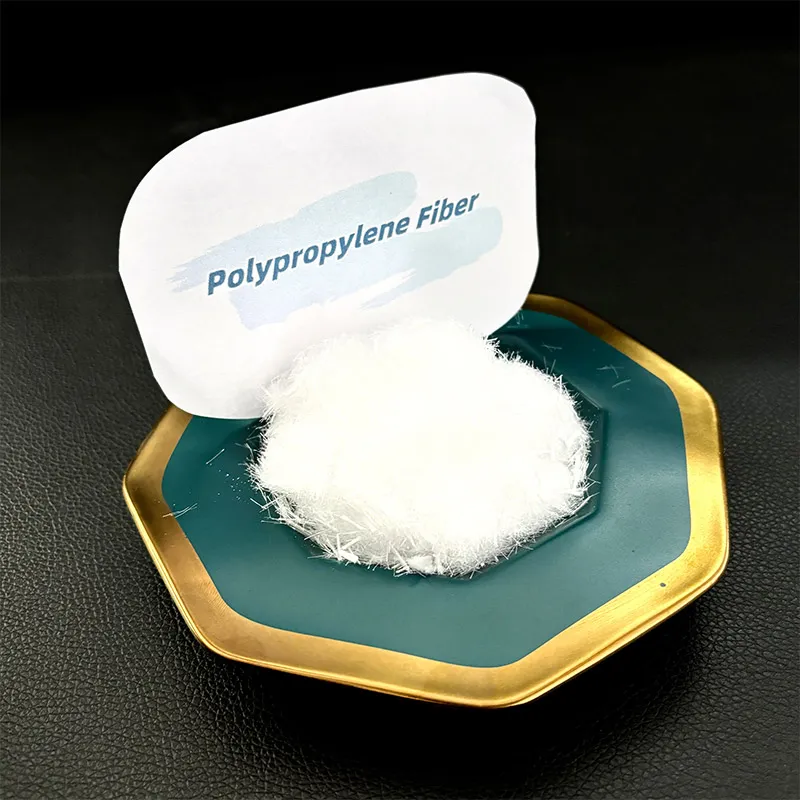 ethylene_vinyl_acetate_powder
Oct . 25, 2025
Hydroxypropyl methylcellulose (HPMC) and carboxymethyl cellulose (CMC) are two of the most widely us -
 fiber_polypropylene
Oct . 25, 2025
Understanding Hydroxy Methyl Cellulose Expert Insights into a Versatile Product Hydroxy methyl cellu -
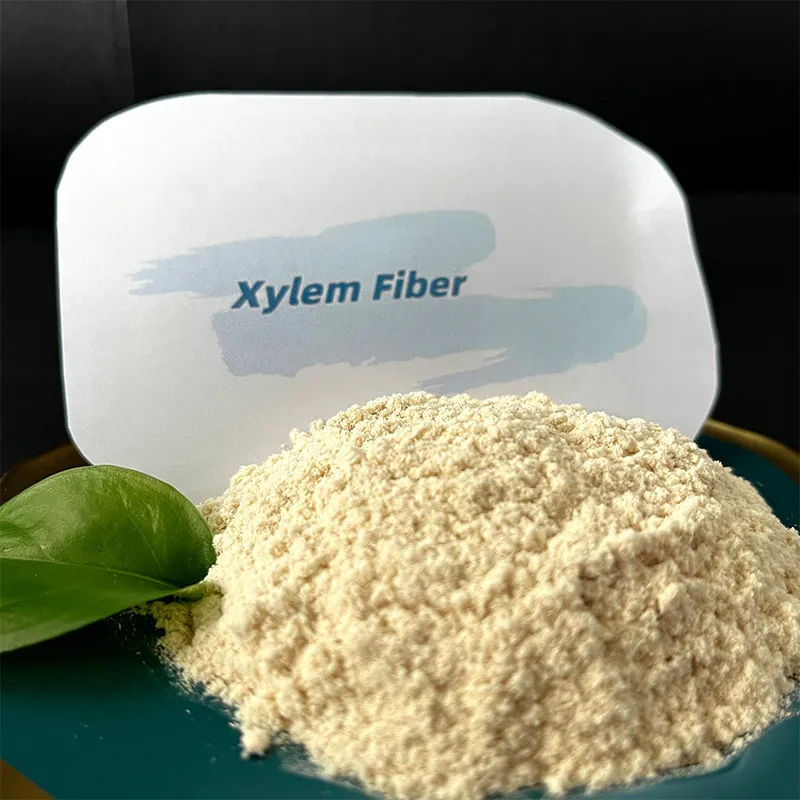 hydroxypropyl_methyl_cellulose_cas
Oct . 25, 2025
Rubber powder, a groundbreaking material revolutionizing various industries, offers unparalleled ben


